

Background
The Village of Salem Lakes in Kenosha County, Wisconsin operates a non‑transient, non‑community water system serving a business park, fire department, agricultural users, and local contractors. The original system relied on a single deep well and a 250,000‑gallon elevated storage tank, creating operational risk and limited flexibility.
By 2021, the Village identified several concerns impacting system performance and long‑term sustainability, including lack of redundancy, elevated radium levels in the existing well, and seasonal water quality issues related to temperature fluctuations in the elevated tank. While some improvements were not regulatory requirements, the Village sought proactive solutions to reduce risk, protect public health, and improve operational efficiency.
Approach
Our team partnered with the Village to develop a practical, cost‑effective strategy to improve system reliability and water quality. To address redundancy and radium concerns, we evaluated alternative water sources and proposed a second well completed in a shallow aquifer to avoid radium contamination. A test well drilled near the existing site identified a gravel vein with strong yields and low radium levels. With approval from the Wisconsin Department of Natural Resources (WDNR), this test well was advanced as Well No. 2.
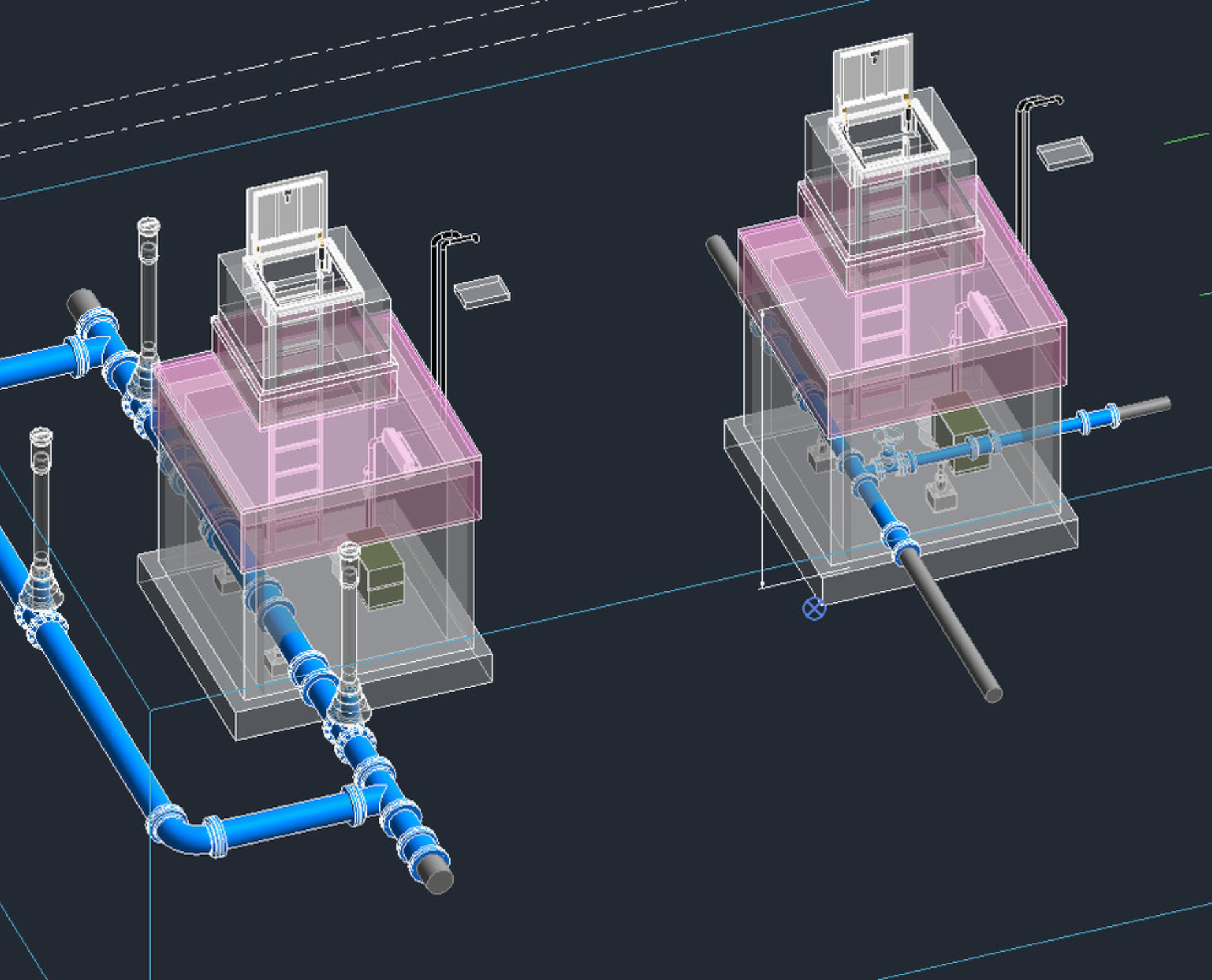
To further reduce radium concentrations from the original deep well, we designed a blending vault that combines water from both wells using a flow‑paced control system. This approach eliminated the need for a full treatment facility while achieving regulatory compliance and operational flexibility.
Seasonal temperature swings in the elevated tank also posed challenges. In winter, low water temperatures increased freezing risk, while summer heat raised water quality concerns. Previously, operators manually flushed hydrants to manage tank conditions. Our team designed a smart system for remote monitoring and automated flushing, along with new piping and a manhole connection to a nearby storm sewer for safe discharge. WDNR permitting was secured to support implementation.
Despite COVID‑related delays, we worked closely with the Village and WDNR to coordinate design, permitting, and construction support through project completion.
Results
The completed improvements significantly enhanced the reliability, safety, and efficiency of the Village’s water system. The addition of a second well provides critical redundancy and improved service for local users and emergency response needs. Blending water sources reduced radium levels without constructing a costly treatment plant, saving the Village an estimated $1.5 to $2 million in capital costs and reducing long‑term chemical and operational expenses.
Automated monitoring and flushing eliminated the need for manual hydrant operation, improving water quality control and operator efficiency year‑round. Together, these upgrades deliver long‑term value, improved resilience, and a more sustainable water system for the Salem Lakes community.
Markets: Water and Wastewater
Services: Environmental and Regulatory Services, Strategic Consulting and Planning, Technology
Related Projects


