
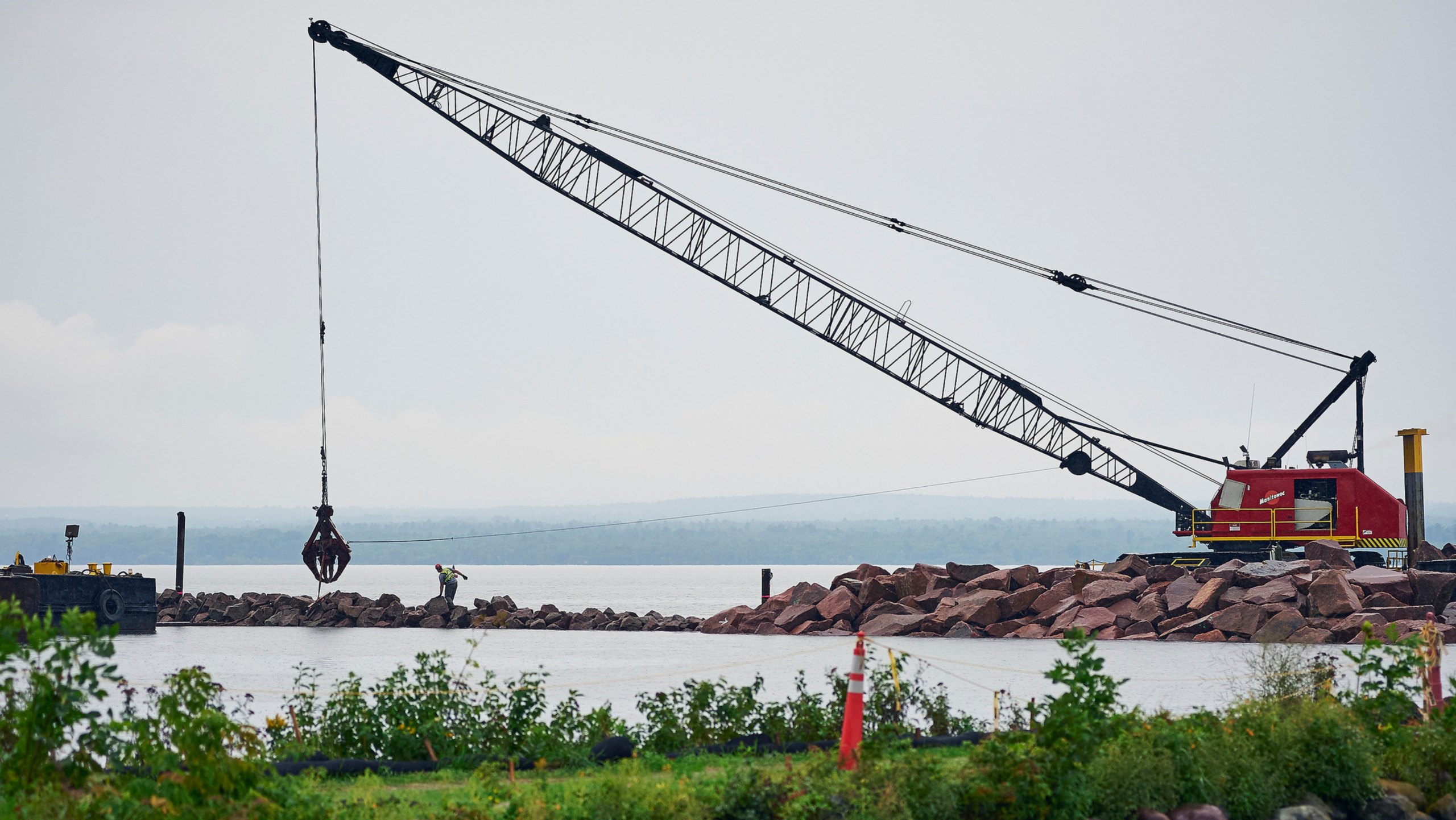
Whether the site is a shipyard or an office park, crane safety should begin before the project starts and continue daily through closeout. When crane operations are involved — among the most complex and hazardous activities on a construction site — careful planning becomes even more important. Everyone with access to the site, from owners and contractors to equipment operators, must contribute through foresight, clear communication, and consistent practices.
Crane Safety Requires Constant Vigilance
OSHA’s Fatal Four (also called Focus Four) refers to the leading causes of death in the construction industry: falls, struck-by objects, electrocutions, and caught-in/between accidents. Crane work can intersect multiple hazards at once, though struck-by, electrocution, and caught-in/between risks are most significant. In addition, cranes combine long reach, suspended loads, changing radii, and multiple components in ways that create a broad zone of influence. And when the job site is on water, the swing radius may be even wider.
Maintain Situational Awareness for Crane Safety
Even with rigorous inspections and strict procedures, failures and unexpected conditions can still occur. For that reason, everyone on a construction site must stay alert and aware of their surroundings at all times.
Workers should pay close attention to the following:
- The position of the boom
- The path of the load
- Blind spots around equipment
- The location of nearby personnel
It is also important to understand the crane movement and the operating rhythm of nearby machinery. Before approaching an active area, make eye contact with the operator, signal clearly, and wait for acknowledgment. Personnel should never walk under a crane boom during operation!
Use Work Area Controls and Protective Measures
OSHA’s work area control requirements are designed to protect workers during crane operations. These controls include swing-radius protections, physical barriers, and clear communication procedures. Additional precautions may include high-visibility clothing, caution tape, tag lines, when appropriate, and lockout/tagout (LOTO) procedures.
Because crane operations can create conditions immediately dangerous to life or health, maintaining heightened awareness is essential.
Daily Planning Required — Let’s Tailgate!
The strongest crane safety cultures address planning before the project begins and communicate daily through what we call tailgate meetings. Pre-planning job hazard analysis aligns the team on lift plans, site logistics, and health and safety issues.
Tailgate meetings address concerns of the moment such as what equipment will operate and activities scheduled for that day, what trades are nearby, and how site conditions have changed. This is especially critical on active job sites and busy ports and shipyards where construction activity typically overlaps with client operations and other contractors. In these environments, communication with all members of the project team and careful coordination with all contractors is necessary.
The Role of Leadership
Construction managers are on the job site to inspect and assure that the project is being constructed in accordance with the design and specifications provided by the engineering team. Understanding the client’s business needs (and movement) on the site is also essential, as is establishing familiarity with the entire team. Particularly when hazardous equipment is being used, leaders need to understand the roles of others. Knowing job titles, who has specialized training on certain equipment and who is simply permitted to operate equipment helps assess the overall safety of the operation.
Crane safety is part of a complex operation that requires consistent planning, communication, and awareness. While leaders set expectations, maintaining a consistent safety culture requires the discipline and care of every person on the construction site.
Markets: Airports, DOTs, Manufacturing and Industrial Products, Utilities, Waterfront and Marine
Services: Coastal and Waterfront Engineering and Dredging, Construction Services, Design-Build / Alternative Project Delivery, Environmental and Regulatory Services
Related Insights
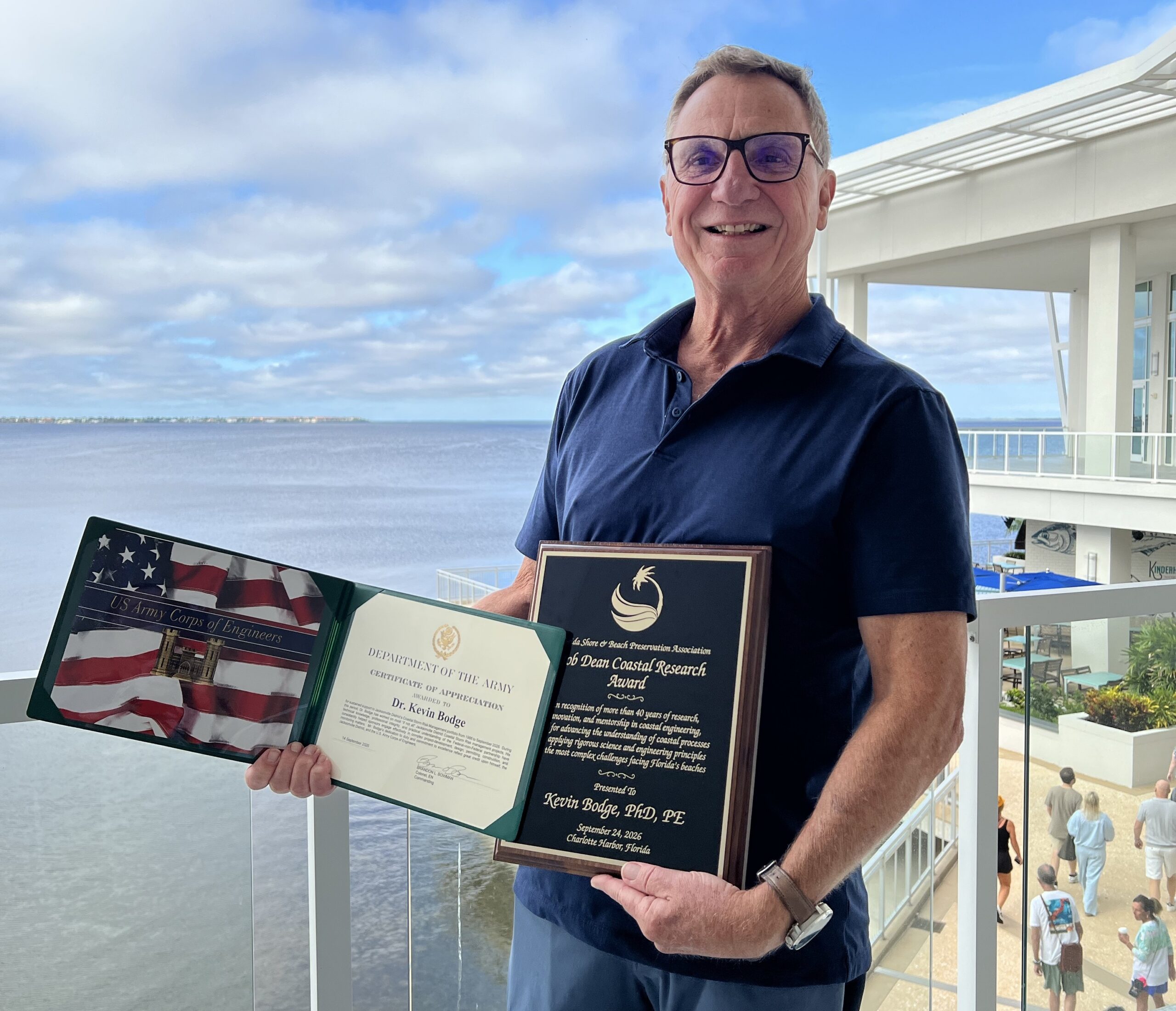
From Student to Steward: A Coastal Engineer’s Career and a Mentor’s Lasting Influence
Author: Kevin Bodge, PhD, PE

Creating a Culture of Belonging: Why Relationships Matter During Onboarding
Author: Margaret Baltus, Senior Organizational Development Leader